

How to Keep Your Gums Healthy
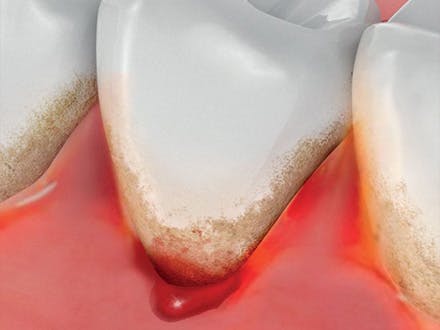
Gingivitis, an early form of gum disease, is caused by plaque build-up on teeth close to the gum margin. Early gum problems can result in redness, swelling, and bleeding. To keep your gums healthy, follow a daily oral care routine that targets plaque bacteria along the gum line — the main cause of gum problems.
Healthy gums don't bleed, so if you see traces of blood when brushing or flossing, this can be a sign of gum disease. Bleeding gums when you brush is one of the first signs of gum disease, which if left untreated, can ultimately lead to tooth loss. To help protect and maintain healthy gums, take care of them with a good oral health routine.
How to Help Keep Your Gums Healthy
- Brush with a specialist toothpaste for healthy gums — designed to target the build-up of plaque along the gum-line, helping keep the seal between your gums and teeth tight.
- Use a mouthwash that targets plaque bacteria where brushing alone can’t reach - a mouthwash with fluoride can be effective in helping prevent cavities – don’t use a mouthwash straight after brushing, use it at different time of the day, such as after lunch.
- Clean between your teeth daily — using interdental brushes or floss helps remove plaque in hard-to-reach areas.
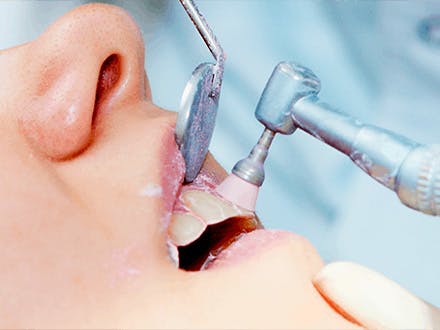
- Visit your dentist regularly — a scale and polish can help get your teeth properly clean in areas that are difficult to reach at home.
What Causes Gum Disease?
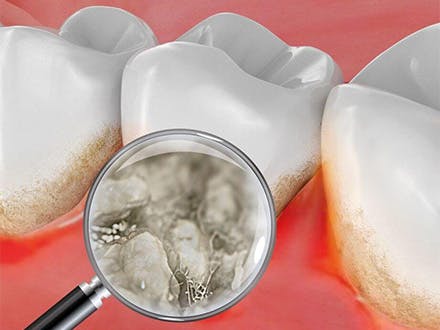
Gum disease is primarily caused by the build-up of plaque bacteria on the teeth and along the gum line. When plaque is not effectively removed, it can trigger inflammation of the gums. Over time, this inflammation may spread to the gum socket that holds the tooth, leading to gum recession and, in severe cases, tooth loss.
Bleeding gums, including blood in saliva when brushing or spitting, can also result from the accumulation of plaque along the gum line. If plaque continues to build up, it causes ongoing inflammation that damages gum tissue.
Plaque forms a structured matrix that can be difficult to break down using regular toothpastes alone.
Sodium bicarbonate particles are able to penetrate and weaken this matrix structure, helping to loosen plaque. This is why specialist formulations can play an important role in supporting effective daily plaque control and helping to reduce the risk of gum disease.
Signs of Gum Disease
Look out for these warning signs:
- Bleeding when brushing or flossing — if you see traces of blood when brushing or flossing, this can be a sign of gum disease
- Red and inflamed gums — early gum problems can result in redness, swelling, and bleeding
- Persistent bad breath — gum health problems can cause bad breath
- Gum recession — gum problems can lead to gum recession, a known cause of tooth sensitivity
- Sensitivity — sensitivity and gum disease can co-exist
How can Corsodyl help?
Corsodyl is a range of specialist gum care products designed to help maintain healthy gums. Corsodyl Active Gum Repair toothpaste helps repair bleeding gums from just 1 week, compared to a regular toothpaste*. Corsodyl Complete Protection mouthwash targets plaque bacteria where brushing alone can't reach.
Corsodyl products use a range of scientifically proven ingredients with one common goal — to enhance your brushing efforts. Our formulations work alongside mechanical cleaning for effective daily plaque control and gum health management.
*greater improvement in gum health after 1 week compared to a regular toothpaste.
Have I got gum disease?
Gum problems can be caused by the build-up of plaque bacteria. If not removed, inflammation can spread to the gum socket holding the tooth, causing gums to recede and teeth to fall out. If you notice bleeding, redness, or swelling, it's important to act before gum disease progresses. Find out more about the stages of gum disease and why early action matters.
What does it mean when you have bleeding gums?
Spitting blood can be caused by the accumulation of plaque along the gum line. If not removed, plaque accumulates, causing inflammation. Corsodyl Complete Protection Toothpaste is clinically proven to help stop and prevent bleeding gums by removing plaque build-up, one of the main causes.
Causes of bad breath
Gum health problems can cause bad breath. Volatile sulfur compounds (VSCs), such as hydrogen sulfide, are the main cause of bad breath. If you have persistent bad breath, it could be a sign of gum disease. Learn more about the link between gum health and bad breath.
Frequently Asked Questions
Why do my gums bleed when I brush?
Spitting blood can be caused by the accumulation of plaque along the gum line. If not removed, plaque accumulates, causing inflammation. If you see traces of blood when brushing or flossing, this can be a sign of gum disease.
Can toothpaste help with bleeding gums?
Yes. Corsodyl sodium bicarbonate toothpastes are clinically proven to help control bleeding gums — for healthy gums and strong teeth. It is 4x more effective than regular toothpaste at removing plaque, the main cause of bleeding gums.
What is gingivitis?
Gingivitis, an early form of gum disease, is caused by plaque build-up on teeth close to the gum margin. Early gum problems can result in redness, swelling, and bleeding. If left untreated, it can progress to more serious forms of gum disease.
Corsodyl 0.2% Mouthwash, Corsodyl Mint Mouthwash, Corsodyl Original Mouthwash, Corsodyl 1% w/w Dental Gel and Corsodyl Spray contain chlorhexidine digluconate. For the treatment of gingivitis. Always read the label.
ABOUT GUM DISEASE
Explore the articles below to learn more about gum disease, as well as how to help combat and prevent it.